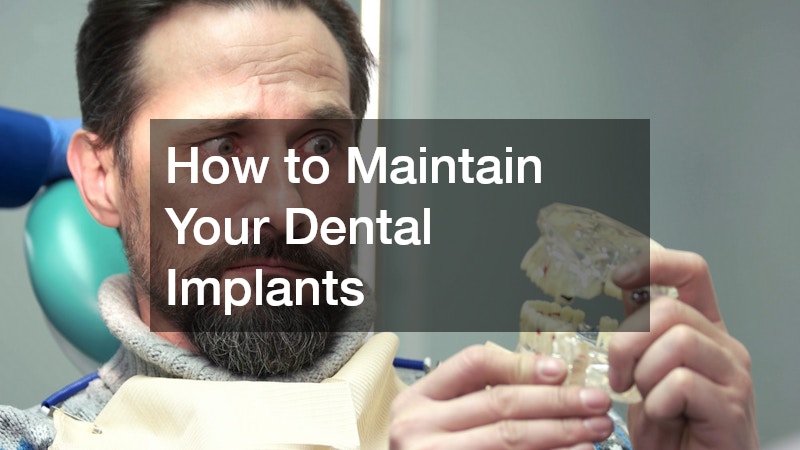
Investing in your smile is a life-changing decision. Whether you have replaced a single missing tooth, a few teeth, or an entire arch, the transformation can restore your self-confidence, improve your speech, and completely revitalize your ability to eat and enjoy your favorite foods. However, many people mistake the completion of oral surgery for the end of the journey. The real work of protecting your new smile begins once the replacement teeth are securely in place.
Without proper upkeep, bacteria can accumulate at the gumline, leading to a condition known as peri-implant mucositis, which is a reversible inflammation of the gums. If left unaddressed, this condition can rapidly progress to peri-implantitis. This more aggressive infection attacks the bone structure supporting the anchor, leading to bone loss, instability, and eventually, total failure of the replacement system.
The First 48 Hours to 2 Weeks: Post-Oral Surgery Care
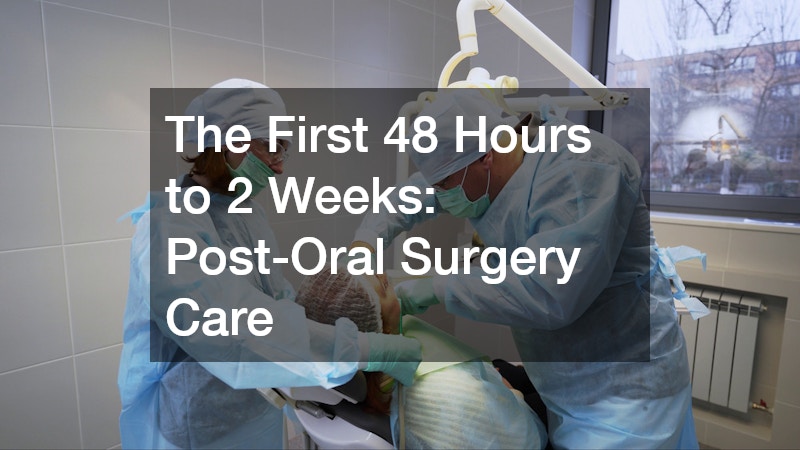
The immediate period following your surgical procedure is critical for ensuring proper healing. During this window, your body is working hard to begin the process of osseointegration, where the jawbone physically fuses with the titanium anchor. Your primary focus during these first two weeks must be on minimizing trauma to the surgical sites, preventing infection, and managing the natural side effects of oral surgery.
Managing Swelling and Protecting the Initial Blood Clot
In the first 48 hours after surgery, managing inflammation and preserving the stability of the surgical site are paramount. Swelling is a natural inflammatory response and usually peaks around the second or third day. To manage this effectively, apply ice packs wrapped in a cloth against the outside of your face or jawline for 20 minutes on, followed by 20 minutes off, which constricts blood vessels and limits fluid buildup.
Preserving the initial blood clot is equally vital to your recovery. You must avoid spitting forcefully, smoking, or drinking through a straw, as the suction created in your mouth by these actions can easily dislodge the delicate blood clot forming over the surgical site. If this clot is displaced, it can delay healing, cause prolonged bleeding, and expose the underlying tissues to painful irritation.
Transitioning to Soft Foods Without Disturbing the Surgical Site
Your diet plays a massive role in how well your body heals from the placement of dental implants. For the first week to ten days, your jaw must be protected from heavy biting forces that could shift the healing anchors beneath the gums, meaning your meals should require absolutely no chewing. Initially, you should incorporate nutrient-dense liquids such as smoothies, protein shakes, blended vegetable purées, and lukewarm broths, while avoiding items that are extremely hot to prevent encouraging bleeding.
As the initial discomfort subsides, you can gradually move to ultra-soft solids like mashed avocados, yogurt, cottage cheese, scrambled eggs, oatmeal, and flaky white fish, making sure to chew away from the wound on the opposite side of your mouth. Your brushing habits must also be modified; do not brush directly over the fresh stitches for the first few days. Instead, starting 24 hours after surgery, rinse your mouth exceptionally gently with a warm salt-water solution four to five times a day to flush away food particles without physical friction. Your dentist may also prescribe a specialized antimicrobial mouthwash containing chlorhexidine, which should be used exactly as directed by allowing it to pool gently over the surgical area.
Daily At-Home Hygiene Protocols for Fully Healed Implants

Once your gums have completely closed and your restorations are fully attached, your daily maintenance routine must transition into a permanent, lifelong habit. Cleaning your new teeth requires a different approach than cleaning natural dentition because the attachment mechanism between the gums and a porcelain crown is more delicate than the natural periodontal ligament.
Mastering the Modified Bass Brushing Technique with Low-Abrasive Paste
Brushing your teeth twice a day remains the cornerstone of oral health, but the mechanics and products you choose matter immensely when protecting titanium components. It is crucial to evaluate your toothpaste, as many standard retail options marketed for intense whitening or tartar control contain highly abrasive particles like silica or calcium carbonate. While safe for natural enamel, these abrasives can micro-scratch the polished porcelain of your crown or the exposed titanium collars of your restoration, creating a textured surface where harmful bacteria can easily cling and multiply.
Selecting the right brush and executing the proper technique will maximize your defense against plaque. Use an ultra-soft manual toothbrush or a high-quality sonic electric toothbrush, which leverages rapid vibrations to create fluid dynamics that help flush out bacteria just beneath the gumline. To execute the modified bass technique, hold the brush at a 45-degree angle relative to your gumline and apply gentle pressure, moving the bristles in a small, circular vibrating motion right at the junction where the crown meets the gum. After loosening the plaque, sweep the brush away from the gums.
Utilizing Specialized Interdental Tools and Water Flossers
Standard string floss is often insufficient for cleaning the unique contours of a replacement tooth, as the crown is typically shaped differently than a natural root structure, meaning specialized tools are required to clear plaque from these hard-to-reach zones. Deploying implant-specific floss is an excellent solution; this tool features a stiff plastic threader guide on one end to pass through the gaps between your teeth and a thick, spongy, yarn-like middle section that expands to wrap around the cylindrical shape of the support post. Similarly, you can incorporate interdental brushes for wide gaps, but ensure that the central wire core is coated in plastic, as bare metal wires can scratch titanium posts and accelerate plaque accumulation.
Optimizing a water flosser is another invaluable asset for oral care at home. Adjust the pressure setting to low or medium, as excessively high pressure can potentially disrupt the delicate epithelial attachment that seals your gums to the support post. Direct the specialized tip at a 90-degree angle to the long axis of the tooth right along the gumline, following the contours of each tooth and pausing briefly between them to allow the pulsating stream of water to flush out trapped food particles, debris, and loose biofilm from deep within the sulcus. Routine maintenance at a professional dental clinic will always be more successful when combined with this thorough level of daily at-home teeth cleaning.
Professional Monitoring and Preventative Maintenance

No matter how meticulous your at-home cleaning routine is, professional intervention is mandatory to ensure the longevity of your restorations. The tissues surrounding your artificial roots lack the sensory nerves of natural teeth, meaning you will not feel a warning ache if an infection or structural problem begins to develop.
Scheduling Regular Diagnostic Imaging and Gum Pocket Measuring
When you visit a professional for a dental checkup, the evaluation goes much deeper than a simple visual scan, as longevity relies entirely on maintaining pristine bone levels around the underlying screw. Your clinician will utilize digital radiography to periodically take targeted digital X-rays to look beneath the surface of your gums, allowing them to inspect the bone-to-titanium interface. If there is a millimeter of bone loss occurring silently, it will show up on the radiograph long before the tooth feels loose or painful.
Alongside imaging, the clinical team will perform periodontal probing. Specialists use specialized, flexible plastic or highly polished titanium instruments to gently measure the depth of the tissue pockets around your restorations, avoiding the natural metal probes that can damage the components. If pocket depths are increasing over time, it serves as an early warning sign that bacteria are migrating downward and destroying the supportive attachment.
Customizing Your Maintenance Calendar Based on Risk Factors
The old rule of thumb of visiting a professional twice a year does not fit everyone, especially when managing complex oral reconstructions, meaning your clinical recall schedule must be tailored to your unique biological risk profile. First, you must assess systemic risk factors; if you have underlying health conditions like type 2 diabetes, a history of aggressive periodontal disease, or an altered immune system, your body is naturally more susceptible to inflammation and slow healing.
You must also account for lifestyle habits, as the risk of complications rises significantly for individuals who have a history of smoking or those who experience high stress levels that can trigger subconscious clenching. By working closely with the best dentist available to you, you can establish a custom preventative maintenance schedule. For many patients with extensive restorations, a three-to-four-month maintenance interval is highly recommended, as this increased frequency ensures that stubborn calculus formations are removed before they can trigger an irreversible inflammatory response in the surrounding bone.
Advanced Maintenance for Specific Implant Types: Single Crowns vs. Full-Arch Prosthetics
The specific configuration of your tooth replacement system dictates the specialized care strategies you must implement, as a single replacement tooth operates differently than a full-arch bridge or a removable prosthetic system.
Detaching and Sanitizing Fixed Hybrid Bridges
Fixed full-arch restorations, often referred to as hybrid bridges or All-on-4 systems, are permanently screwed into place and can only be removed by a clinician. Because these bridges span an entire arch, a small horizontal gap exists between the prosthetic teeth and your natural gum tissue, making this hidden channel a primary collection zone for food remnants and plaque. To keep this area pristine, you must target the sub-prosthetic space daily using specialized sulcus brushes, right-angle interproximal tools, and water flossers to sweep entirely underneath the bridge from both the cheek side and the tongue side. Furthermore, it is essential to attend regular maintenance appointments at a professional dental office, where your clinician will periodically unscrew the entire bridge to thoroughly clean the exposed framework, sanitize the underlying gum tissue, check the integrity of the retaining screws, and polish the bridge back to a pristine state before securing it back into your mouth.
Inspecting and Replacing O-Rings and Clips on Removable Overdentures
If your replacement teeth consist of a removable overdenture that snaps onto an underlying bar or locator pegs, your maintenance routine must address both your mouth and the mechanical appliance itself, much like traditional dentures but with significantly enhanced stability. You must sanitize the appliance nightly by removing the prosthetic to give your gum tissues a chance to rest and breathe, cleaning it thoroughly using a soft-bristled brush and a non-abrasive prosthetic cleaner while avoiding boiling water that can warp the acrylic base. To eliminate lingering pathogens like Candida albicans, which frequently thrive on porous dental acrylics, soak the appliance overnight in a mild, specialized sanitizing solution.
Inside your mouth, use a soft manual brush to carefully clean the locator pegs or metal bars to ensure no plaque film hardens inside the attachments. Finally, you must monitor the mechanical components for wear, as the small nylon matrix caps or rubber O-rings inside the prosthetic will naturally lose their elasticity over time due to the friction of snapping the appliance in and out. Inspect these components regularly, and when you notice that your teeth feel less secure or snap out too easily, schedule an appointment to have these inexpensive plastic inserts replaced to restore optimal retention.
Protecting Your Implants from Physical Wear and Lifestyle Factors
Long-term success depends heavily on keeping the surrounding structures free of harmful bacteria. At the same time, it is equally important to safeguard your restorations from excessive physical forces and systemic health choices that can compromise their stability.
Wearing Custom Nocturnal Orthotic Appliances to Counter Bruxism
Subconscious clenching and grinding of the teeth at night, a condition known as bruxism, is one of the leading causes of structural failure in modern tooth restorations. To understand the biological vulnerability, remember that natural teeth are suspended within the jawbone by a microscopic cushion called the periodontal ligament, which acts as a natural shock absorber and sends neurological signals to the brain to stop biting down so hard. Artificial roots lack this ligament entirely and are fused directly into the bone, meaning the immense, unyielding lateral forces of grinding are transferred directly to the bone interface and the porcelain materials.
You can identify warning signs of this damage by watching for a dull ache in your jaw joint upon waking, chronic headaches, or tiny chips along the edges of your porcelain restorations. If you suspect you grind your teeth, you should invest in a professional nightguard by consulting a qualified cosmetic dentist or specialist to have a custom hard-acrylic nightguard fabricated. Avoid soft, over-the-counter boil-and-bite mouthguards, as their chewy texture can actually encourage your jaw muscles to clench more aggressively. A custom-fitted nightguard provides a smooth, flat surface that redistributes biting forces evenly, absorbing the destructive energy of bruxism and protecting both the porcelain crowns and the underlying bone from micro-fractures. In complex cases involving systemic alignment issues, a specialized orthodontist may also need to be consulted.
Pairing your at-home care with consistent, specialized clinical checkups ensures that hidden changes beneath the gumline are identified and corrected long before they become catastrophic failures. Dental restorations are a profound investment in your overall health, confidence, and quality of life. By integrating these specific, protective habits into your lifestyle, you ensure that your investment rewards you with a bright, functional, and radiant smile for a lifetime.
